Skip to content
EN
Book

The house

Córdoba’s theatre, from 1602 to 1694

This was the site of the Casa de las Comedias, Córdoba’s municipal theatre, from 1602 to 1694. Nothing of the building stands above ground: it was pulled down in 1704, except for the outer walls that enclosed it. The site remains, and today’s house stands on it. Saying so is what makes everything else believable.

“Here the city gathered to see itself reflected in theatre, in words and in life.”

“For centuries this was the stage where Córdoba played itself. Today it opens again, for you.”

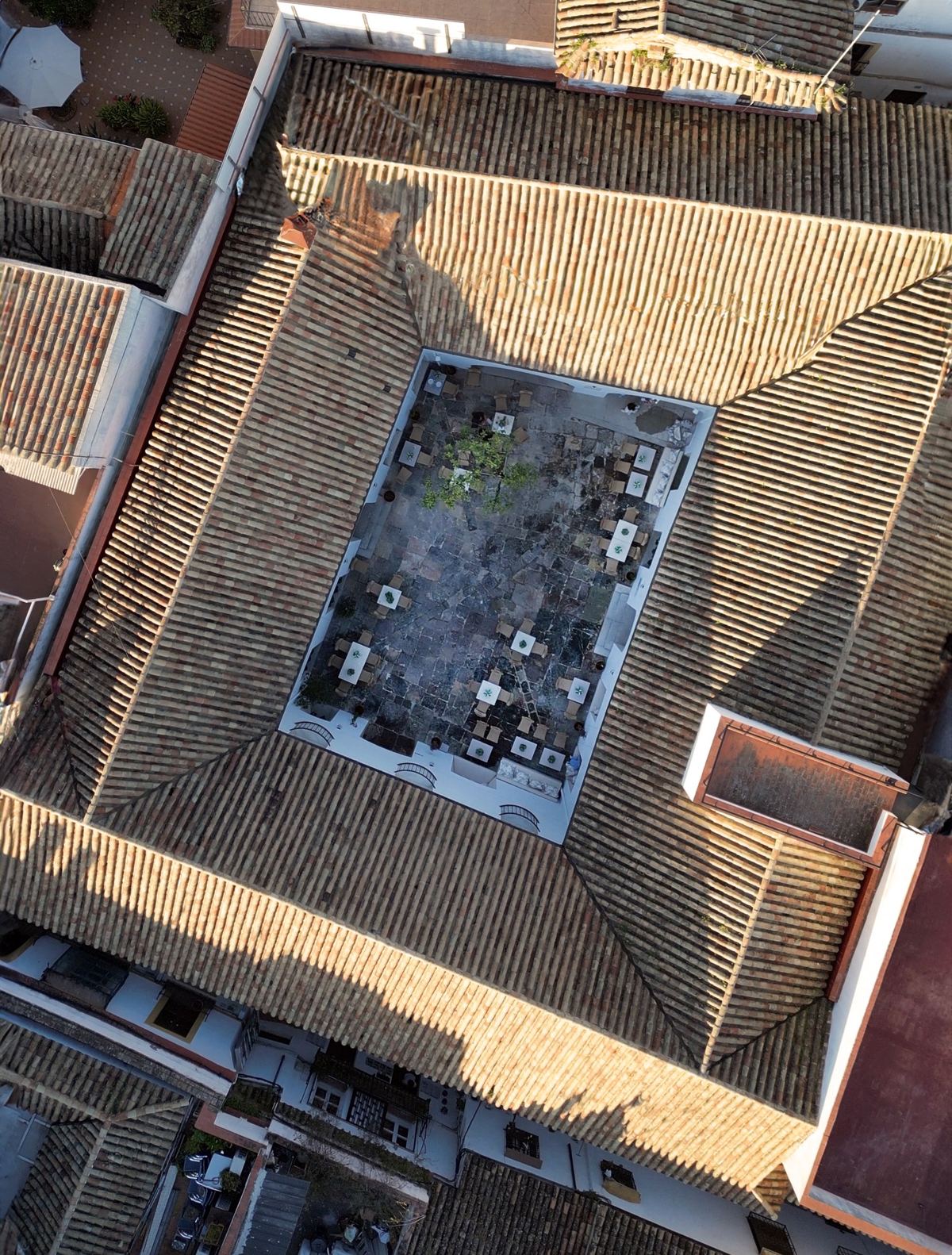
The Casa de las Comedias seen from the sky: the roofs around the courtyard

Timeline

  1. 1562

    According to Ramírez de Arellano, a nineteenth-century historian, the city gaol already stands on this site.

  2. 1588

    First proposal in the city council to build a municipal theatre in the old gaol.

  3. 1599

    The corregidor Diego de Vargas Carvajal takes up the project in earnest.

  4. 1601

    In November the old gaol, by then in ruins, is chosen, and work begins at the end of the year.

  5. 1602

    On 25 December the theatre opens, designed by the architect Juan de Ochoa, with Pinelo’s company.

  6. 1603

    In June the building is finished. It has cost 3,432 ducats and seven reales.

  7. 1651

    A period of royal mourning so long that the unused building collapses.

  8. 1671

    A fire destroys the back of the stage and the dressing rooms.

  9. 1694

    On 11 October, after the sermons of Father Posadas, the city bans plays.

  10. 1704

    It is pulled down in three stages, except for the outer walls.

  11. 1738

    Around this year the city sells the site, apparently to the Cathedral Chapter, which wanted it as a workshop.

  12. s. XIX

    According to the tradition recorded in 2003, Ricardo Velázquez Bosco, the architect who restored the Mezquita and gives the street its name, had his workshop here.

  13. 2003

    The building is restored.
Five stories from the theatre

Góngora and the nuns

In August 1602, with the theatre half built, the nuns of the convent of La Encarnación complained about the noise it would bring. The cathedral chapter appointed two churchmen to look into it. One was the poet Luis de Góngora, and their report sided with the city.

Nine boxes with keys

Each box had its own lock and a wooden tag with its number. In theory the keys went back to the corregidor after every performance, so that nobody could hoard the best seats. At one time one box belonged to the Inquisition’s prosecutor and another to the cathedral canons.

The secretary who would not pay

In October 1663 the corregidor ordered that everyone must pay, without exception. Days later a secretary of the Inquisition walked in without paying and, once in the entrance hall, claimed his privilege. The matter set the Inquisition against the city, went up to Madrid and was settled in the city’s favour.

A 500-ducat play

In January 1691 Miguel de Castro asked for more than 500 ducats to stage “El mérito es la corona” by Agustín de Salazar y Torres. It was a play “of transformations”, with so many scene changes that the stage had to be enlarged. The lettering in El Mérito carries its title.

The sermon that closed the theatre

In October 1694 the lessee asked to bring in a new company. Father Posadas came before the city council, spoke against plays and returned days later with his speech in writing. On 11 October the city banned them “now and hereafter”. Ten years later the theatre was pulled down.

The theatre, on the walls

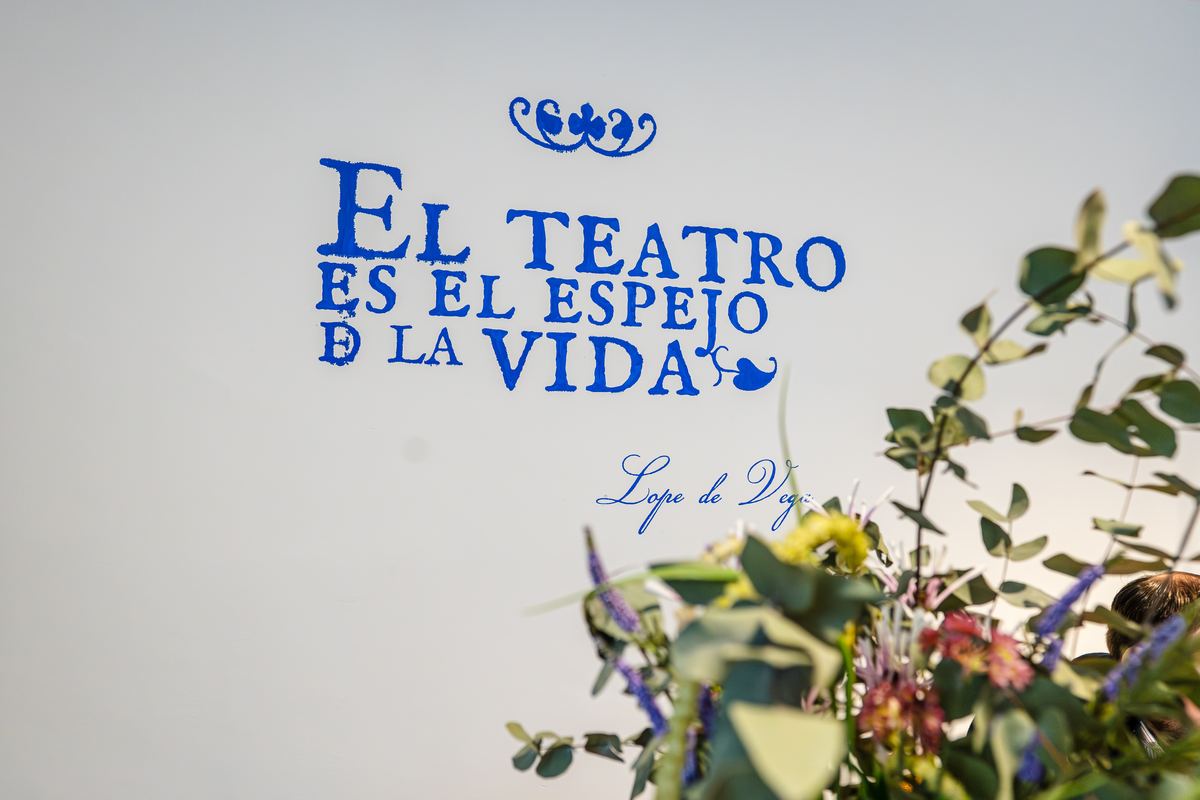
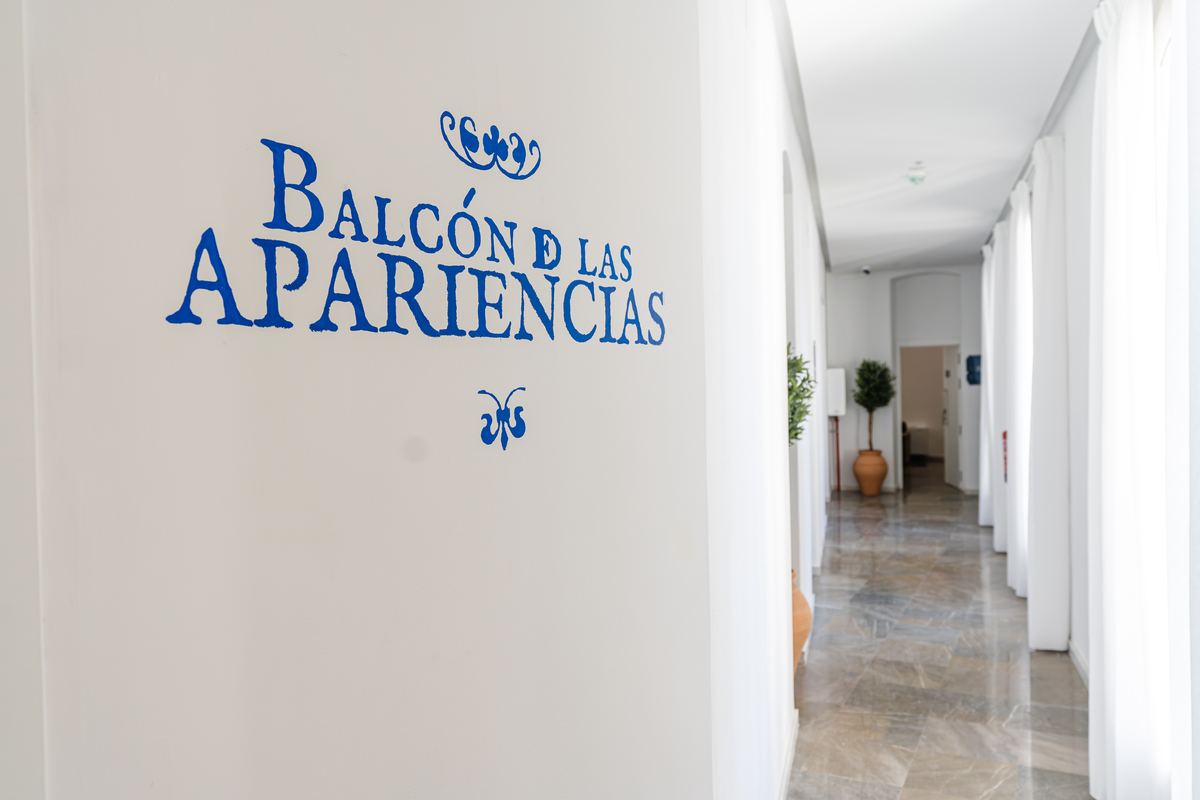
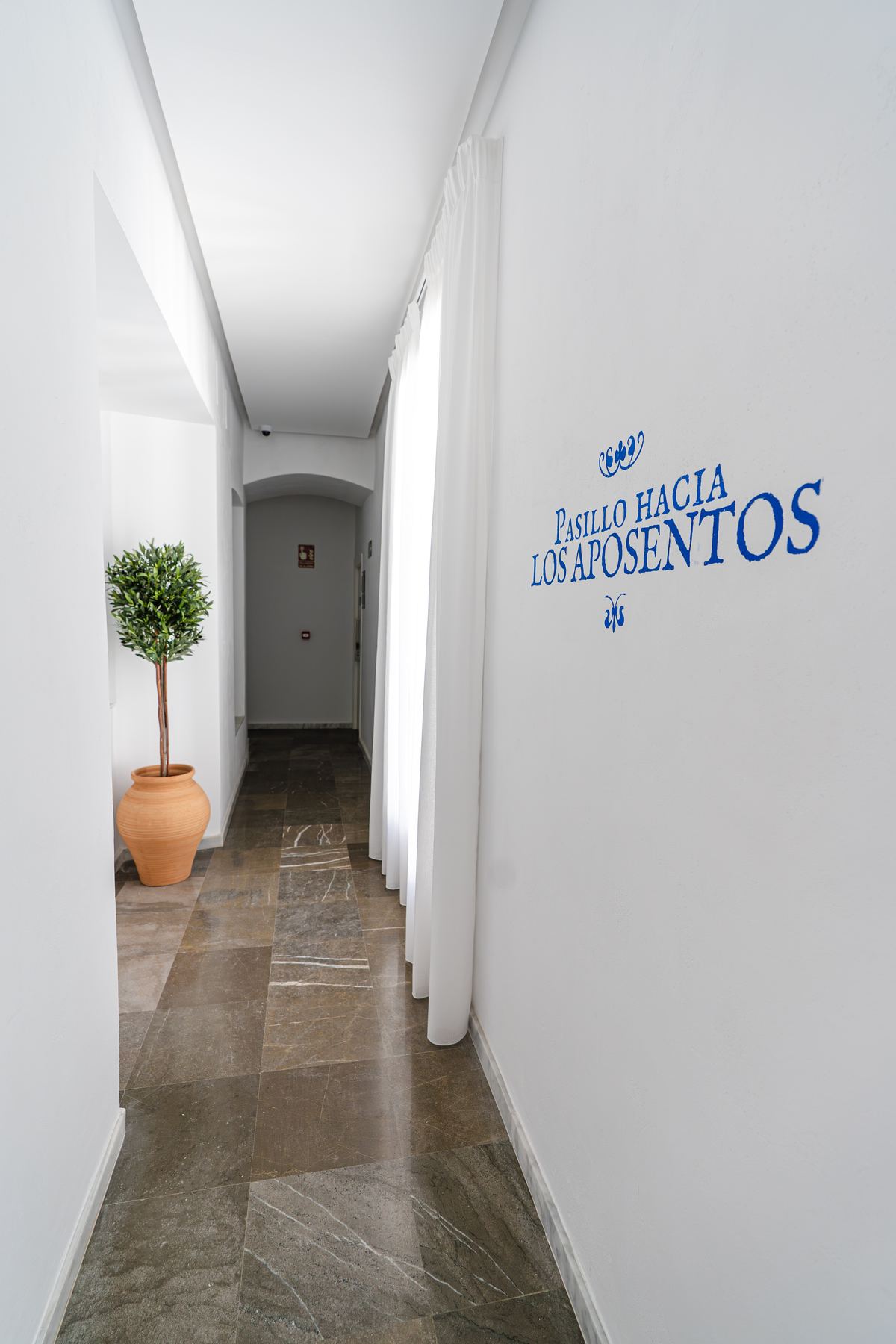
The house remembers the playhouse on its walls: lines about theatre and life, and corridors and galleries with theatre names.

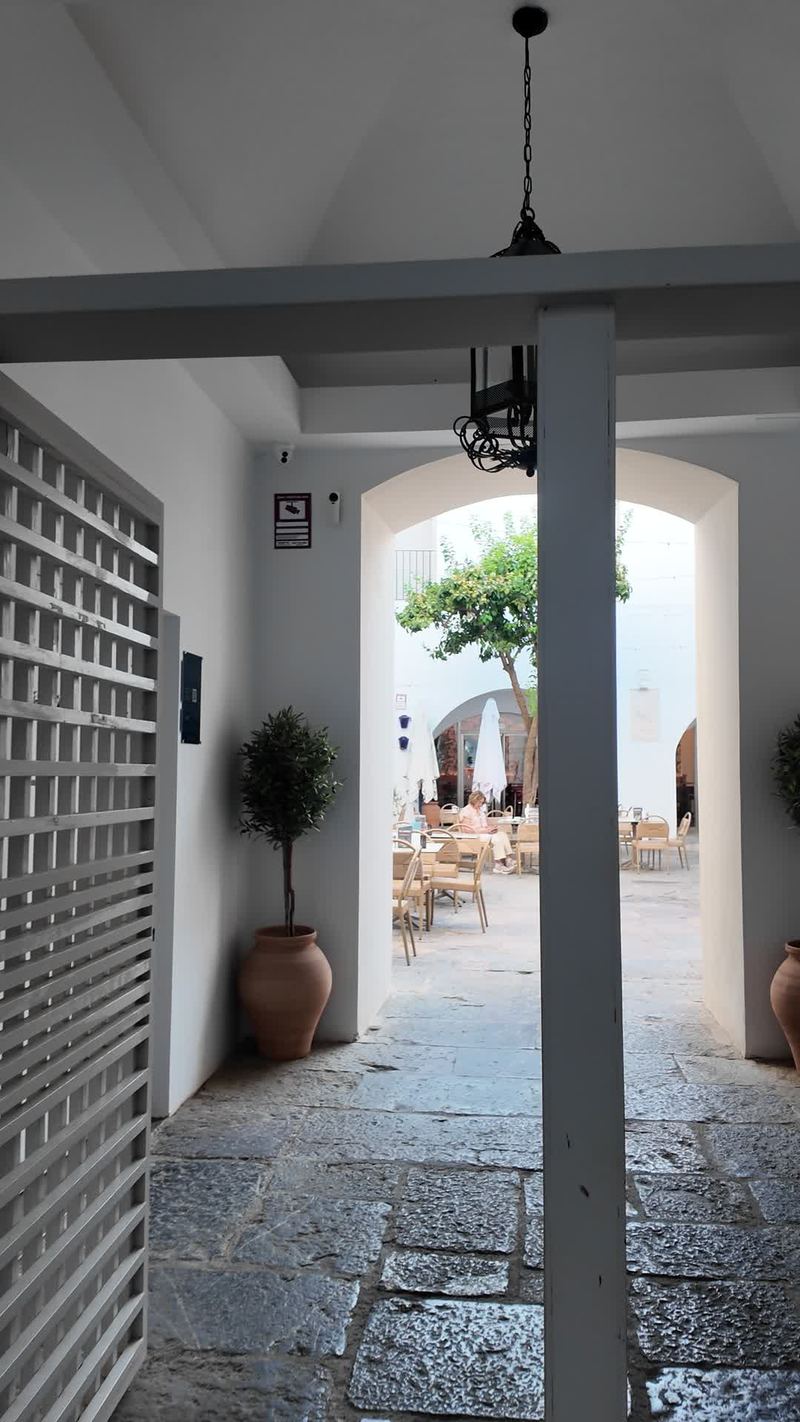
On the wall, the line “El teatro es el espejo de la vida” (theatre is the mirror of life), signed Lope de Vega“Balcón de las apariencias” sign beside a corridor of the houseWhite corridor with the sign “Pasillo hacia los aposentos”Reception sign and the name of the house in blueTwo guests with coffee beneath the line “Desde aquí se contempla la vida hecha comedia”Entrance hall with lattice and stone floor

The theatre in figures

  • 800seated spectators, and more
  • 32stone columns
  • 30arches
  • 2 mthick: the load-bearing walls of today’s house
  • 24.70 mof frontage on Velázquez Bosco
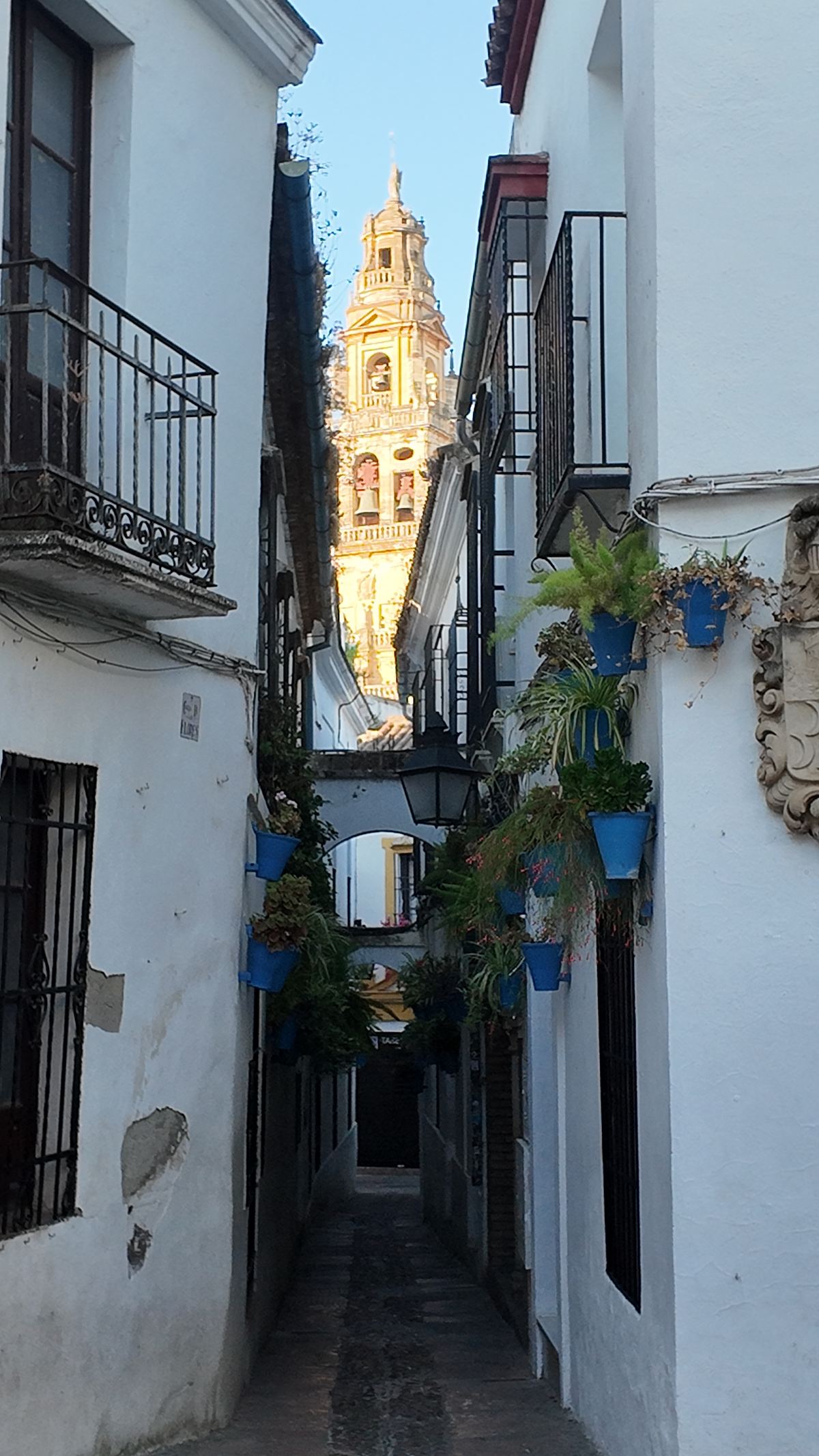
Calleja de las Flores with the tower of the Mezquita-Catedral

The cazuela and the Calleja

In the playhouses of the day, the cazuela was the upper gallery reserved for women. Here it had three rows of wooden benches between the City’s box and the private boxes, and women were not allowed down into the pit. Just round the corner is the Calleja de las Flores, the lane people now walk to photograph the Mezquita tower. That is where you will find the Patio de las Comedias, the house’s tavern.

The names of the apartments

Each apartment has a plaque on the door with a name and a year. Almost all are years of this house: 1599, 1602, 1603 and 1691 recall documented events; 1562, the first mention of the gaol according to a nineteenth-century historian; 1621 and 1631, alterations to the playhouse. Only 1604 is a tribute. Each apartment page tells its story.

In the press

«El alojamiento de Córdoba donde puedes dormir sobre un antiguo teatro del Siglo de Oro»

Rocío Górriz, El Día de Córdoba, 25/08/2026

Main source: Ángel M. García Gómez, “Casa de las Comedias de Córdoba”, Criticón 50 (1990), pp. 23-40. Read the article (PDF, Centro Virtual Cervantes, in Spanish)

Sleep in the theatre

Nine apartments on the site of the playhouse, each named after a moment in its history. Choose your dates and see which are free.

WhatsApp +34 744 79 58 04 Send an email